
Mines is a simple-looking casino game built around hidden traps, carefully chosen tiles, and escalating payouts. The longer you play without hitting a mine, the higher your potential reward becomes. However, increasing your stake also increases the amount you can lose on every round, making risk management essential.
How the Mines Reward System Works
In a typical Mines game, you select the number of mines and place a wager before opening tiles. Each safe tile increases the payout multiplier. You can usually cash out at any point, but revealing a mine ends the round and generally results in losing the stake.
The reward rate depends on several factors:
- The size of your initial wager
- The number of mines placed on the board
- The number of safe tiles revealed
- The current payout multiplier
- The game’s house edge
Why Higher Stakes Feel More Attractive
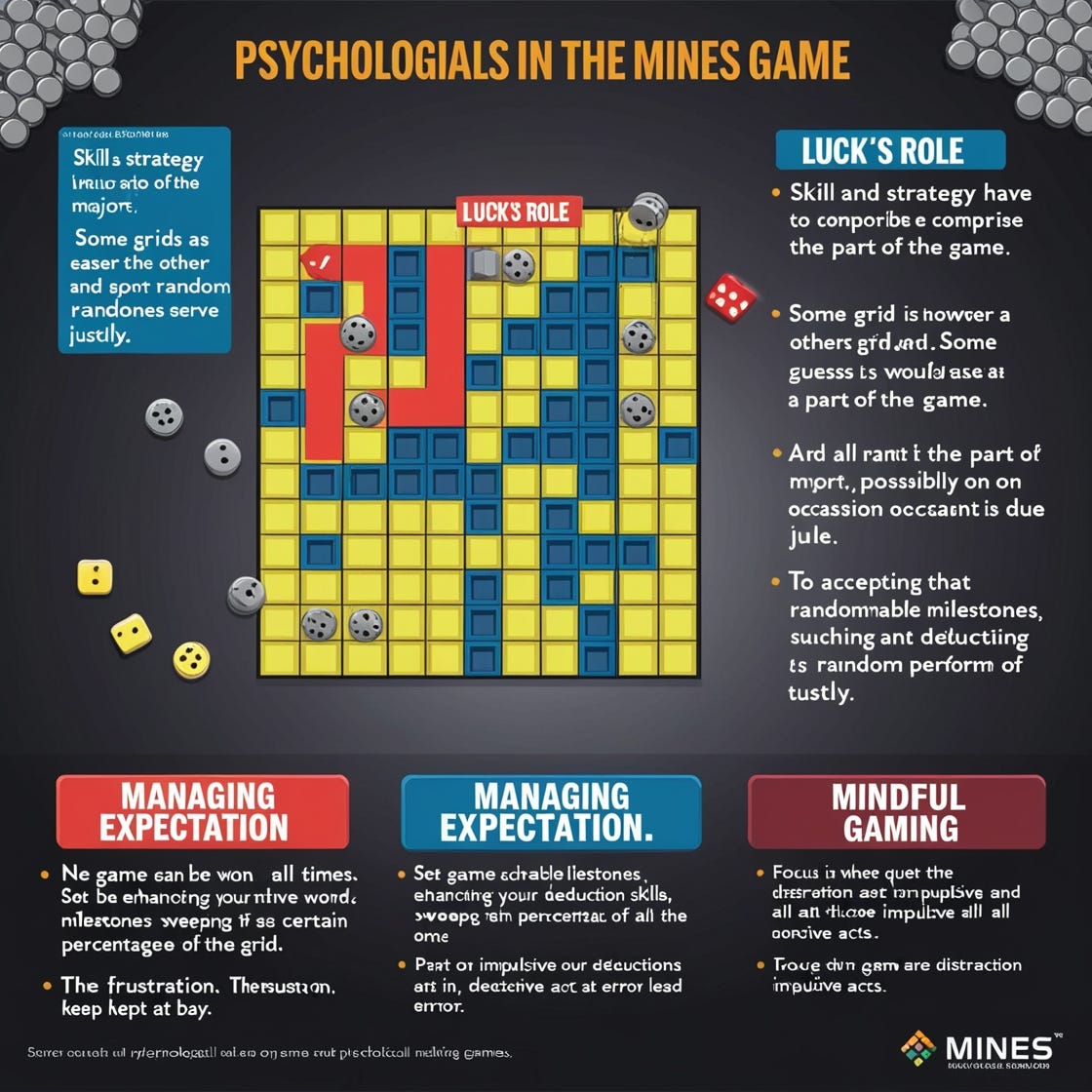
A larger stake can produce a bigger monetary return when a round succeeds. This makes high-stake play appealing to experienced users who understand the rules and have a budget set aside for entertainment. A strong reward rate can also make gradual progress feel more meaningful, especially when the multiplier rises after each safe selection.
However, the reward is proportional to the wager, while the probability of hitting a mine does not improve simply because more money is placed on the round. A bigger bet therefore increases both the possible win and the possible loss.
Is Bigger Risk Worth It?
There is no universal answer. A higher stake may be reasonable only when it fits comfortably within a predetermined gaming budget. It is not a reliable way to recover previous losses, and increasing the wager after an unsuccessful round can quickly create excessive exposure.
Before choosing a high-stake strategy, consider:
- How much you can afford to lose without affecting essential expenses.
- Whether the payout multiplier justifies the probability of failure.
- How many rounds you intend to play.
- When you will stop if the session goes badly.
- Whether the platform provides transparent rules and responsible gaming tools.
Managing Volatility in Mines
Volatility is the degree to which results can fluctuate. A strategy involving many mines may offer larger multipliers, but it also produces more frequent losses. Choosing fewer mines generally creates a slower progression with lower potential rewards per successful selection.
One practical approach is to use smaller stakes while learning the interface, set a fixed loss limit, and cash out at a target multiplier rather than relying on emotion. A player should never increase the stake solely because a previous round failed or because a win seems “due.” Each round is independent.
Choosing a Reliable Platform
Players should check licensing information, payment conditions, game rules, withdrawal requirements, and available limits before depositing. Searching for a safe tile game betting site Spribe may help users compare platforms that offer transparent Mines-style games, but no website can remove the underlying risk of gambling.
It is also important to verify that the game uses a fair and clearly explained randomisation system. Read the terms carefully and avoid services that make unrealistic profit promises or pressure users to deposit more.
Final Verdict
High stakes can increase the size of a potential reward, but they do not improve the odds of opening a safe tile. Bigger risk is worthwhile only when the wager is affordable, the rules are understood, and strict limits are followed. For most players, controlled stakes and disciplined cash-out decisions are more sustainable than chasing large multipliers.
Remember: Mines is a game of chance, not a guaranteed income strategy. Play for entertainment, set limits in advance, and stop when those limits are reached.